
Ade Adesina Appointed to Respond to University of Aberdeen's Slavery Report
The Aberdeen-based printmaker will work with students on a new piece addressing the institution’s links to the slave trade.
A portrait of Gilbert Ramsay hangs in a University of Aberdeen building. He was a seventeenth-century donor. He was also an enslaver. In 2024 the university published a report examining its historical connections to slavery. Now it’s asking what should be done with the portrait.
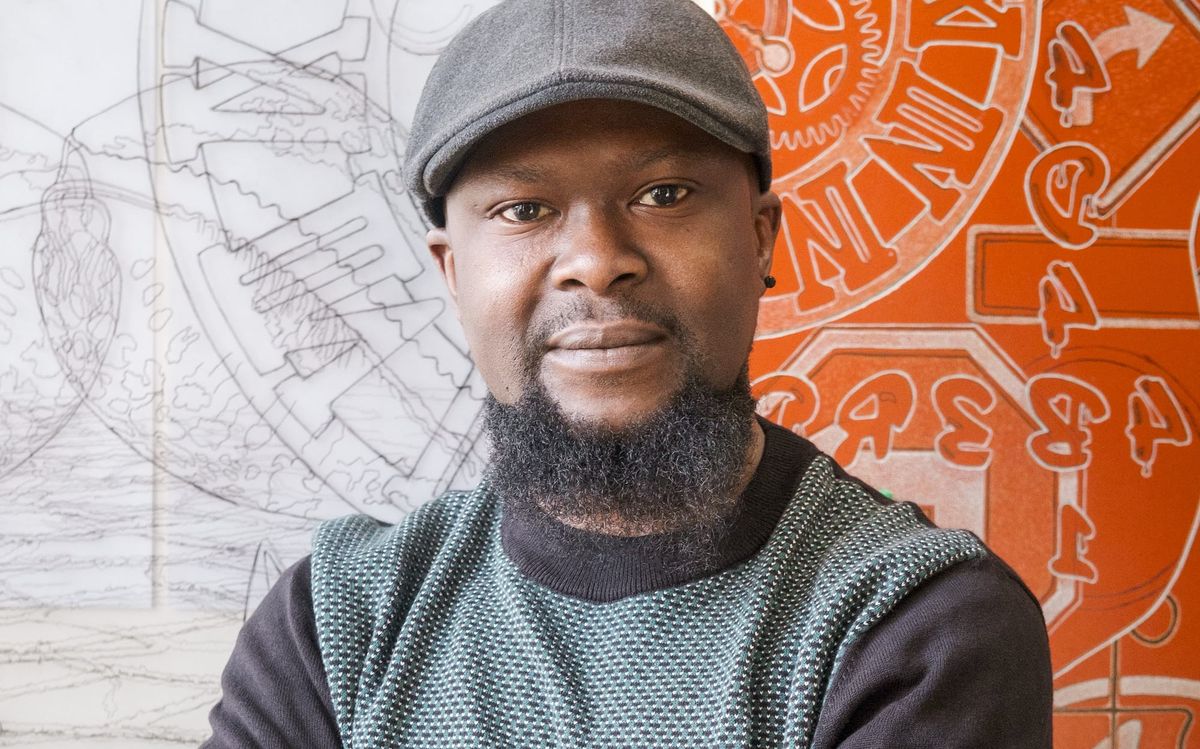
Ade Adesina has been brought in to answer that question, or at least to make something that holds it properly. The Scottish-Nigerian printmaker will spend the next several months leading workshops and then developing a new piece for the university in response to the Ramsay portrait and the research behind it.
Would you like to see your message here? Let's talk.
POST highlights Aberdeen’s creative scene, from theatre and music to visual arts. We focus on showcasing the city’s unique talent and supporting local voices.
Through stories, artist profiles, and event coverage, we’re here to share what makes Aberdeen vibrant. Sign up for free or support us and go ad-free for just £3 a month.
The residency
Between February and May, Adesina will run workshops open to students from any discipline. The focus is on developing artistic projects rooted in historical research: how to handle sensitive material, how to work ethically, how to say something without flattening the complexity. There’s practical stuff in there too, around project management and building a sustainable practice.
From June to July, the residency shifts. Adesina moves into the studio to make the work itself.
Why him
He was already part of these conversations. Last year he spoke at a university event exploring how its portraits and collections might be reinterpreted in light of the 2024 report. His prints have long dealt with the historical and economic links between Scotland and Africa. He knows the territory.
He’s also been in Aberdeen for over a decade, working from WASPS studios and as a member of Peacock Visual Arts. He graduated from Gray’s School of Art in 2012 and has stayed.
“I’m particularly interested in how art can question inherited narratives, respond to difficult histories and help shape new ways of thinking about the future,” Adesina said.
What it might mean
Institutional responses to slavery can turn into box-ticking. A report gets published, an event gets held, everyone moves on. What’s different here is that the university is commissioning something with a physical presence, not just another discussion.
That’s a harder ask than a panel. Whether it amounts to real change or an elaborate footnote probably depends on what Adesina makes, and whether the university is willing to let it be uncomfortable.